

Honey Bees Need Your Help: What Gardeners Can Do About Colony Collapse Disorder
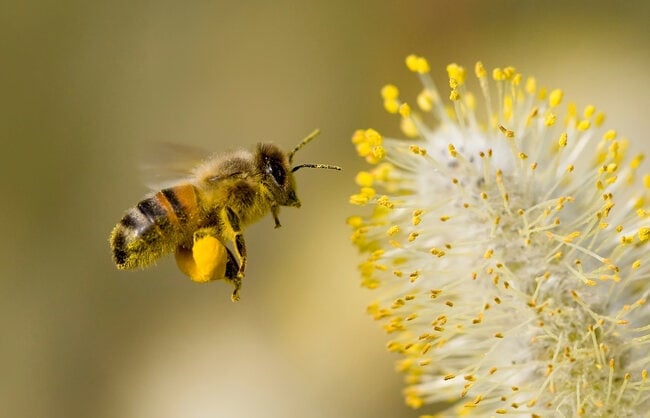
Quick Reference: Helping Honey Bees
- The problem: Colony Collapse Disorder (CCD). US beekeepers lost 43.7 percent of managed colonies in the 2019-2020 season, per Bee Informed Partnership.
- The stakes: honey bees pollinate about one-third of the crops humans eat, per USDA Agricultural Research Service.
- The drivers: pesticides, Varroa destructor mites, shrinking bloom windows, and habitat loss.
- What helps: skip pesticides, plant lavender or bee balm, build a stone-filled bee bath, buy honey from local beekeepers.
- Tool: the Almanac’s Gardening By The Moon calendar for planting bee-friendly blooms on favorable days.
Honey bees need help. They are one of nature’s busiest, well, bees. A single honey bee visits up to 100 flowers during a single foraging trip. But if you have noticed fewer of these fuzzy, buzzy creatures around your garden, it is because they are taking more sick days than ever.
Researchers call the illness Colony Collapse Disorder (CCD): the sudden disappearance and death of worker bees, which leads to the eventual failure or collapse of the entire beehive. The number of colonies lost fluctuates year to year, but during the 2019-2020 bee season, US beekeepers reported losing 43.7 percent of managed honey bee colonies, up from about 40 percent the prior year, per the Bee Informed Partnership.
Plan Your Next Move With Our Best Days Calendar
Whether you are starting a project, sowing seeds, cutting hair, or making a decision, our Best Days calendar shows the most favorable dates based on the Moon’s astrological position.
See the Best DaysWhy Are Bees in Crisis?
There is no single cause. USDA Agricultural Research Service points to a stack of overlapping stressors. Pesticide use is a major one: the chemicals gardeners and farmers apply to plants and crops to deter pests are poisonous to bees. As bees collect pollen and nectar contaminated by pesticides, herbicides, and fertilizers, they carry those toxins back to the hive, exposing the whole colony.
Our changing climate is another major driver of colony loss. Hotter weather shortens bloom windows, which means bees do not have enough time to store food reserves for winter. More frequent droughts dry up crops, leaving fewer plants to pollinate. That food shortage weakens immune systems and increases susceptibility to disease.
Parasites are the third leg. Varroa destructor, a mite that attaches to and feeds on honey bees, is now considered by USDA the single most serious biological stressor to managed colonies in North America.
Imagining a World Without Bees
A decline in the honey bee population is bad news for bees and for us. Bees pollinate roughly one-third of the crops humans eat, per USDA Agricultural Research Service. As bee populations decline, so do many of our favorite fruits and vegetables: apples, almonds, blueberries, pumpkins, and more.
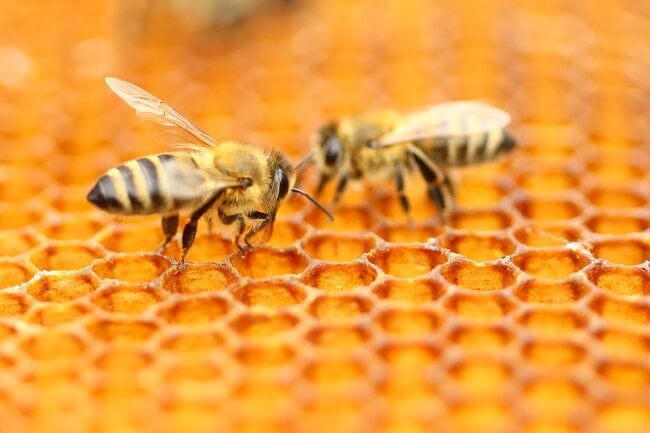
How You Can Help Honey Bees Survive
The threat is real, but the response is doable. A few simple acts of kindness at home reduce stress on honey bee populations and improve the odds that they keep pollinating gardens and farmland for generations.
- Go chemical-free. Many pesticides, herbicides, and fertilizers are toxic to honey bees. Skip them where possible and use natural alternatives like companion planting, hand-weeding, and beneficial insects.
- Build a bee bath. Similar to a bird bath, a bee bath is a rest and hydration station. Bees use water to help with digestion and to keep their hives cool. To build one, fill a shallow dish with clean, cool water. Pile stones in the middle so the tops sit just above the water line, giving bees a dry landing pad to drink from.
- Plant bee-friendly plants. Flowering meadows and forests are shrinking, so bees are short on food and habitat. Bee favorites like lavender, sunflowers, and bee balm supply nectar (energy) and pollen (nutrients and protein) to help them survive the winter.
- Buy bee-friendly honey. Bees are sometimes harmed during honey harvest, wings and legs torn off if they are not gently brushed off the comb, and colonies starve when honey is pulled too early. Honey bought from a local beekeeper or a farmers market, rather than a commercial retailer, is much more likely to have been harvested with care. If in doubt, ask the beekeeper directly.
How to Identify Honey Bees
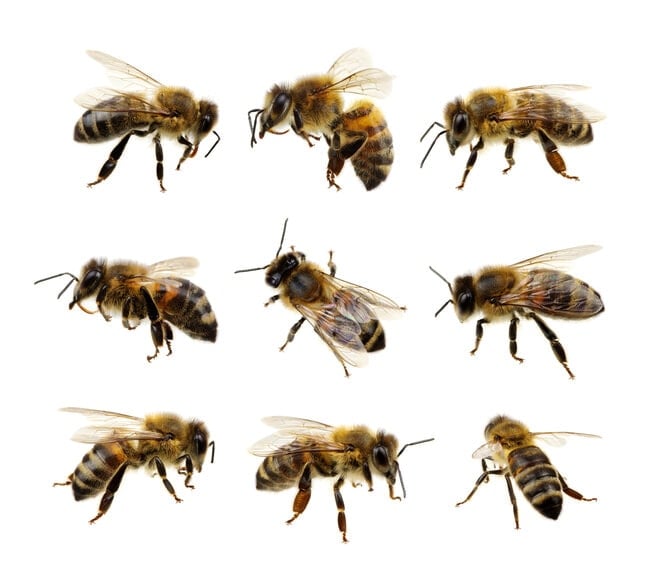
The secret to telling honey bees from other bees is body shape. A honey bee is smaller and thinner than a plump bumble bee. It is also not as sharply cinched between the thorax (chest) and abdomen as a wasp is. Most honey bees are golden-yellow with dark-brown bands, though coloring varies between species.
Honey Types, Trivia, and Tips
- Honey takes its name from the flower whose nectar the bees collected. Orange blossom honey, for example, is produced from orange blossom nectar.
- Monofloral honey is made mainly from the nectar of a single flower species. Honey produced from a blend, like wildflower honey, is called multifloral.
- Raw and unfiltered honey is honey in its most natural form. It is lightly strained to remove impurities but not pasteurized. Pasteurization and filtration extend shelf life, but they strip out the bee pollen that carries much of honey’s health benefit.
- If honey is labelled organic, the beekeeper raises bees on a farm of organically grown flowers and plants. That does not guarantee the honey itself is 100 percent organic, though, because bees can fly as far as 5 miles from the hive to gather nectar and pollen.
- Only honey produced from the nectar of the manuka flower, a bush native to New Zealand, can be sold as manuka honey. That rarity is why authentic manuka averages 30 to 40 US dollars a jar.
- An ancient cave painting in Spain depicting a woman climbing a ladder to gather honey from a wild hive suggests humans have used honey for at least 10,000 years.
- Honey’s anti-fungal, anti-inflammatory, and anti-bacterial properties come from bee enzymes, which bees produce and use to chemically break down nectar.
- Buckwheat and avocado honeys are great substitutes for molasses or cane syrup in baking.
- Honey gives baked goods a warm, golden color. To prevent over-browning, bake at slightly lower temperatures (try 25 degrees Fahrenheit lower) and for slightly longer times.
- To keep honey from sticking to measuring utensils, coat them with nonstick cooking spray first: the honey slides right off.
- Honey carries a long list of documented benefits, from soothing sore throats to reducing morning sickness and supporting healthier cholesterol levels.
Get the Full Farmers’ Almanac All-Access Membership
Unlock long-range weather forecasts, the full print Almanac, Gardening By The Moon, and every folklore, sky, and calendar guide, all in one place, all year.
Join All-AccessHoney Bee FAQ
What is Colony Collapse Disorder (CCD)?
Colony Collapse Disorder is the sudden disappearance and death of adult worker bees from a hive, leading to the eventual failure of the entire colony. It was first named by researchers in 2006 and is now studied by the USDA Agricultural Research Service and the Bee Informed Partnership.
How many honey bee colonies are lost each year in the US?
US beekeepers reported that 43.7 percent of managed colonies were lost during the 2019-2020 season, up from about 40 percent the year prior, per Bee Informed Partnership. Annual loss surveys have continued at similar or higher rates, making honey bee decline one of the most persistent pollinator challenges in North America.
What causes honey bee decline?
Multiple stressors compound: pesticide and herbicide exposure, parasitic Varroa destructor mites, a warming climate that shortens bloom windows, and habitat loss that reduces the diversity of pollen and nectar available. The USDA cites all of these as principal drivers.
How much of the food supply depends on honey bees?
Honey bees pollinate roughly one-third of the crops humans eat, per USDA Agricultural Research Service. Apples, almonds, blueberries, and pumpkins are among the most bee-dependent crops.
What can gardeners do to help honey bees at home?
Skip pesticides where possible, plant bee-favorite blooms (lavender, sunflowers, bee balm), set up a bee bath with stones as landing pads, and buy honey from local or farmers-market beekeepers who harvest gently.
How do you tell a honey bee from a bumble bee or a wasp?
Honey bees are smaller and thinner than the plump bumble bee, and they are not sharply cinched between thorax and abdomen the way a wasp is. Most honey bees show a golden-yellow body with dark-brown bands, though coloration varies between species.
What is manuka honey and why is it so expensive?
Manuka honey is produced from the nectar of the manuka bush, native only to New Zealand. That geographic exclusivity is why authentic manuka honey typically sells for 30 to 40 US dollars per jar.
How long have humans used honey?
At least 10,000 years. An ancient cave painting in Spain shows a woman climbing a ladder to gather honey from a wild hive, one of the oldest visual records of a food-harvest practice.
Join the Discussion
What is one way you help honey bees where you live?
Share with your Farmers’ Almanac community in the comments below.
Related
External research: Bee Informed Partnership loss and management survey and USDA Agricultural Research Service, Colony Collapse Disorder.


Tiffany Means
Tiffany Means is a freelance writer and a degreed meteorologist. She specializes in weather forecasting and enjoys making the subject of weather (and the science behind it) more relatable. She currently resides in the Blue Ridge Mountains of North Carolina.
- Tiffany Means

- Tiffany Means
- Tiffany Means
- Tiffany Means

Please don’t tell people to use a cooking oil spray as you then spoil the benefits of natural honey and all other organic foods. Those cooking oils and sprays are so unhealthy and destroy good health. But I do love to read about the bees.
We don’t use any herbicides or pesticides on our farm. The areas around our house I mow are filled with clover the bees love so when I mow I only do it in the early morning or evening when the bees are not out. I plant flowering shrubs and perennials that bees love and I leave water out with a landing station during a drought. I am very concerned about the decline of the honey bee. From where I’m standing its not looking good for them and in turn us.
I have been leaving clover blooming in my yard and pasture plus let honeysuckle, blackberries and other wild flowers grow freely in back of my property for years. Sadly, each year I see fewer and fewer of any bees or butterflies. I do not use any kind of pesticides or poison with exception of fly spray on my horses.