Why You Can See the Moon During the Day
Quick Reference: The Daytime Moon
- How often: the moon is up during daylight about half the lunar month.
- Best phases: waxing gibbous (afternoons, eastern sky) and waning gibbous (mornings, western sky).
- Worst phases: new moon (too close to sun) and full moon (rises at sunset, sets at sunrise).
- Why visible: the moon’s reflected sunlight is bright enough to compete with the daytime sky.
- Where to look: east half of the sky from afternoon waxing; west half mornings waning.
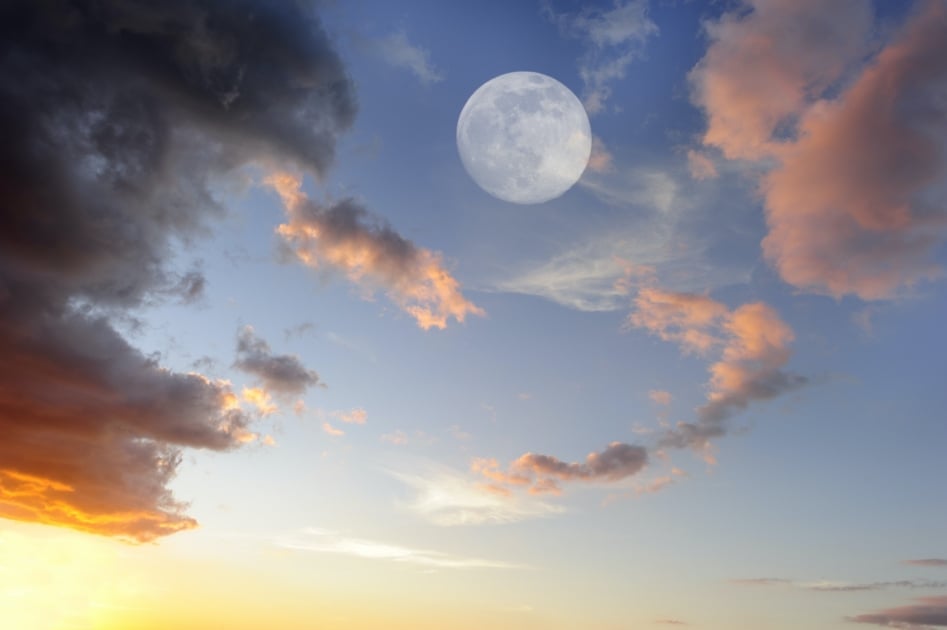
The moon isn’t only a night object. It’s visible during the day for about half the lunar month, when its position in the sky overlaps with daylight hours. Most people simply don’t look up enough to notice it. Here’s the geometry that explains the daytime moon, when each phase is visible, and how to spot it.
The Geometry
The moon orbits Earth every 29.5 days. As it does, it changes its angular distance from the sun, which determines when it rises and sets. The sun rises and sets once per day. The moon rises and sets once per day on average, but its rise time shifts about 50 minutes later each day.
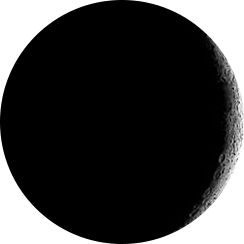
When the moon is more than 45 degrees from the sun in the sky (which happens most of the time), it’s bright enough to see against the blue daytime sky. The new moon (when sun and moon are aligned) and the full moon (when they’re opposite) are the only phases that don’t appear in daylight.
When to See the Daytime Moon
The two best phases for daytime viewing are the gibbous phases.
- Waxing gibbous: 7 to 14 days after new moon. Moon is visible in the eastern sky from afternoon to sunset.
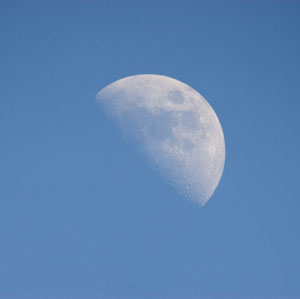
- First quarter (half moon): visible from noon to midnight. The half-illuminated moon is striking against blue afternoon sky.
- Waning gibbous: 7 to 14 days after full moon. Moon visible in the western sky from sunrise through midmorning.
- Last quarter (half moon): visible from midnight to noon. The opposite half is lit compared to first quarter.
Why It Looks Different in Daylight
The daytime moon has a softer, almost translucent appearance because the blue sky behind it scatters more blue light than the moon reflects. The pale color and faded look make many people think ‘is that really the moon?’ on first sighting. Once you’ve seen it once you start noticing it constantly.

Frequently Asked Questions
How often is the moon up during the day?
About 12 hours per day on average, the same as the sun. Whether it’s visible depends on the phase and your sky conditions.
Why is the daytime moon so pale?
The blue sky scatters and competes with the moon’s reflected light. The moon is the same brightness as at night; the contrast is just lower.
Can I see the new moon during the day?
Almost never. The new moon is too close to the sun and is lost in the glare.
Why doesn’t the full moon appear during the day?
Because the full moon rises at sunset and sets at sunrise. It’s only visible during the night.



Jamie Carter
Jamie Carter is an expert author and leading eclipse journalist based in the United Kingdom who writes for BBC Sky At Night, Space.com, Forbes.com, Travel+Leisure, and among other popular publications. Carter has written several astronomy books, including The Complete Guide To The Great North American Eclipse of April 8, 2024, When Is The Next Eclipse? When, Where, and How To See Lunar And Solar Eclipses: Travel Guide 2018-2030, and A Stargazing Program For Beginners: A Pocket Guide.

This article was published by the Staff at FarmersAlmanac.com. Any questions? Contact us at questions@farmersalmananac.com.
-
Farmers' Almanac Staff

-
Farmers' Almanac Staff
-
Farmers' Almanac Staff
-
Farmers' Almanac Staff