

How to Keep a Jack-O-Lantern Fresh: 5 Ways That Actually Work
Nothing is more un-festive than a sagging, rotting Halloween pumpkin on your front porch. Try these easy tips to help prolong your Jack-O-Lantern's life.
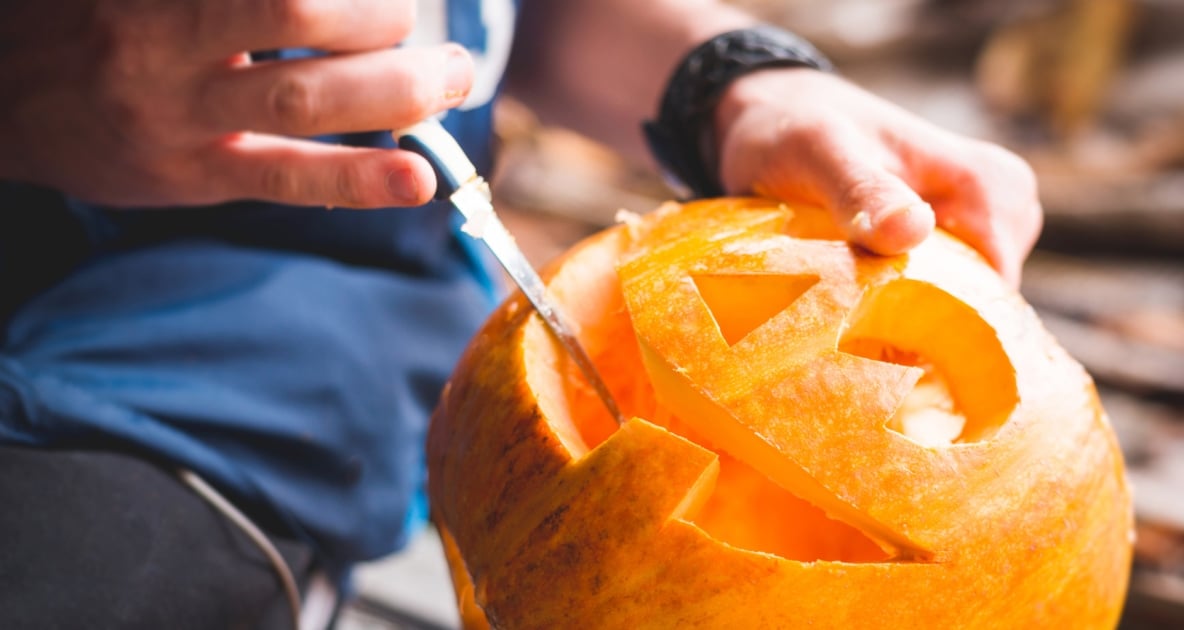
Quick Reference: How to Keep a Jack-O-Lantern Fresh
- Best time to carve: 3 to 5 days before Halloween (October 28 to 30).
- Typical uncarved pumpkin shelf life: 8 to 12 weeks on a cool porch.
- Typical carved pumpkin shelf life: 3 to 7 days without treatment; up to 2 weeks with a bleach dip.
- Bleach spray formula: 1 tablespoon bleach per quart of water.
- Peppermint Castile soap spray: 1 tablespoon per quart of water (natural anti-fungal).
- Sealing agents that work: petroleum jelly, olive oil, or clear hairspray on cut edges.
- Ideal display temperature: 50 to 60 degrees F; bring inside if frost is forecast.
- Estimated US pumpkins grown for Halloween each year: about 1.5 billion pounds, per the USDA National Agricultural Statistics Service.
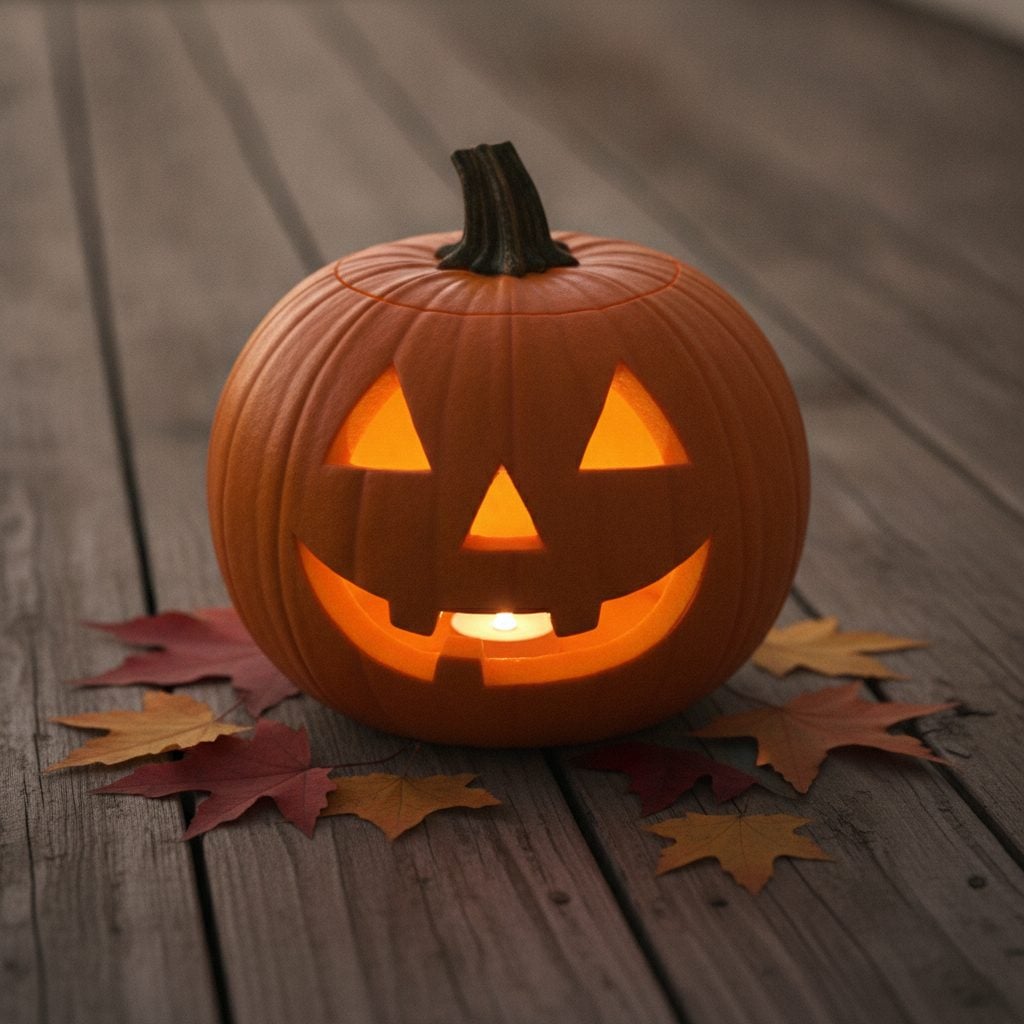
Nothing is more unfestive than a sagging, mold-streaked jack-o-lantern on your front porch by October 30. If you want your trick-or-treaters to see the artwork you actually carved, a few small choices during and after carving can add a week or more of clean, bright display time. Here is how to keep a jack-o-lantern fresh from carving night through Halloween, based on the same simple rules commercial pumpkin patches use.
The single biggest factor is timing. Do not carve too early. A pumpkin is a fruit, and the moment you cut into it, the flesh is exposed to air and starts the decay clock. Aim to carve 3 to 5 days out. In warm, humid regions, push that to the last 48 hours if you can. In a cool, dry Midwest October a carved pumpkin can hold a full week outdoors.
Before you carve, clean the pumpkin thoroughly. Get every stringy piece of pulp and every seed off the interior walls. Scrape until the inside feels smooth. The cleaner the pumpkin, the slower it decays, because you have removed the sugars that mold and yeast feed on.

5 Tips To Keep Your Jack-O-Lantern Fresher Longer
After you have cleaned and carved your pumpkin, work through this list on carving night. Each step takes a minute or two and stacks with the others.
- Fill a spray bottle with one tablespoon of household bleach per quart of water. Spray the interior and every cut surface liberally. Let it penetrate and dry. This kills off surface bacteria and mold spores that would otherwise bloom overnight. In an Illinois Extension test, a diluted bleach dip roughly doubled the visible display life of a carved pumpkin compared to no treatment.
- An alternative is a light spray of one tablespoon peppermint Castile soap in a quart of water. Peppermint is a natural anti-fungal and it slows the decay process without leaving chlorine smell. Use either spray one or spray two, not both.
- Apply a thin coat of petroleum jelly or olive oil to the cut surfaces. This seals the flesh from air and prevents dehydration, which is what causes the carved edges to curl and shrink first.
- Spraying the cut surfaces with clear hairspray also slows the decay process. Products marketed as anti-humidity or high-hold work best because they contain the most sealing polymer per spritz.
- Instead of cutting the stem out of the top, cut the hole in the bottom of the pumpkin and lift the whole shell off the base. Then set the clean, carved shell down over a candle or a battery-powered LED. This method makes lighting easier, and it lets moisture escape rather than pool at the bottom of the pumpkin, which accelerates rotting. It also leaves the top intact so the pumpkin does not sag inward.
- Bonus: instead of the bottom, you can cut a circular hole in the back of the pumpkin. Save the piece. Make the hole large enough to clean out and carve your design through, then insert the light through the back hole and replace the back piece with a couple of toothpicks holding it. Removing the top cuts off the pumpkin’s own water and nutrient supply from the stem, so it dries out faster. Cutting the bottom can make a mess because pumpkins release a lot of water once they are cut. The back hole is the goldilocks option.
Freelance writer Beth Herman was consulted for this story.
What Actually Kills a Jack-O-Lantern
Once you know what breaks a carved pumpkin down, the tips above stop feeling like folklore and start looking like a checklist. Four things do the damage:
- Dehydration. Cut surfaces lose water to the air. That is why the smile lines look papery within 24 hours. Petroleum jelly, olive oil, and hairspray all address this by sealing the cut edge.
- Mold and yeast. Airborne spores land on the moist, sugary interior and take hold within hours. Bleach or peppermint Castile soap knocks them back at the source.
- Heat. A real candle inside a carved pumpkin can hold interior air above 100 degrees F. That literally cooks the walls. Battery-powered LED lights or solar tea lights solve this in one swap and do not char the stem.
- Insects. Fruit flies and yellowjackets are drawn to exposed pumpkin flesh in warm weather. Sealing the cut edges with jelly or oil, plus rinsing the pumpkin nightly, cuts the insect draw sharply.
Carving Day Timeline for a Halloween Pumpkin
If you are working backward from October 31, here is a practical schedule that keeps the pumpkin looking its best on trick-or-treat night:
| Day | Action | Why it matters |
|---|---|---|
| Purchase day | Pick a firm, unblemished pumpkin with the stem intact. | Stems still attached feed the fruit water; broken stems mean the pumpkin has been dying since harvest. |
| Storage | Cool, shaded porch or garage, 50 to 60 degrees F. | Warm indoor air ripens and softens the fruit fast. |
| October 28 (evening) | Carve, then spray interior with bleach solution. | Three-day head start allows drying without full decay. |
| October 29 | Reapply petroleum jelly on any curling edges. | Reseals fresh air exposure. |
| October 30 | Rinse exterior lightly with cold water. Dry. | Removes any spore bloom and refreshes color. |
| October 31 (day) | Store in a cool spot indoors until dusk. | Every hour above 65 degrees F costs display life. |
| October 31 (night) | Set out with an LED tea light. Bring in overnight if frost is forecast. | Frozen pumpkin flesh turns to mush within hours of thawing. |
Halloween Pumpkins By the Numbers
Pumpkin carving is a bigger seasonal event than most people realize. According to the USDA National Agricultural Statistics Service, US farms produce roughly 1.5 billion pounds of pumpkins each year, and Illinois, Indiana, Michigan, and California grow the majority of them. The National Retail Federation’s 2024 Halloween survey found that 44 percent of Halloween-celebrating households planned to carve a pumpkin, which puts the annual jack-o-lantern count somewhere north of 50 million. A few extra days of shelf life scaled across that many pumpkins is a lot of trick-or-treaters seeing a face instead of a face-plant.
Keep Learning
Halloween: Spooky History, Legends, And Recipes
How To Create A Pumpkin Bird Feeder

Jack-O-Lantern FAQ
How long does a carved jack-o-lantern last?
Three to seven days untreated. Up to two weeks with a bleach dip, sealed cut edges, and a cool display spot. Warm, humid weather cuts those numbers roughly in half.
When is the best time to carve a pumpkin for Halloween?
Three to five days before Halloween in most of the country, which usually means October 28 to 30. Carve later in warm, humid regions, earlier in cold, dry ones.
Does a bleach solution really work on jack-o-lanterns?
Yes. One tablespoon of household bleach per quart of water sprayed on the interior kills surface mold spores and bacteria. Illinois Extension found it roughly doubles visible display life compared to no treatment.
Should I use petroleum jelly or hairspray on my jack-o-lantern?
Either works. Both seal the cut edges against air. Petroleum jelly stays on longer, hairspray dries faster and does not attract lint. Do not layer them.
Is a candle or an LED tea light better inside a jack-o-lantern?
LED, by a wide margin. A real candle can push interior air above 100 degrees F and literally cooks the pumpkin walls, which drops display life to two or three days. LED tea lights are cool, safe, and last a full night on one battery.
Should I cut the top or the bottom of the pumpkin?
Neither, if you can help it. A hole in the back of the pumpkin is the sweet spot: the top stays intact and holds shape, the flesh does not sit in a pool of its own water, and it makes candle changes easy.
How do I keep an outdoor jack-o-lantern from freezing?
Bring it indoors on any night the low is forecast below 30 degrees F. Frozen pumpkin flesh softens the moment it thaws and collapses within hours. In a hard cold snap, a screened porch is a fine middle ground.
Can I compost my jack-o-lantern after Halloween?
Yes. Break it into a few pieces so it composts faster, and remove any candle wax first. If you have a garden, chopped pumpkin flesh is a great late-season nitrogen boost for the compost pile.
Join The Discussion!
Will you be carving a pumpkin this year? Do you know any creative tips for carving or preserving your jack-o-lantern? Let us know in the comments below.


This article was published by the Staff at FarmersAlmanac.com. Any questions? Contact us at questions@farmersalmananac.com.
- Farmers' Almanac Staff

- Farmers' Almanac Staff
- Farmers' Almanac Staff
- Farmers' Almanac Staff





Or Just wait to get a pumpkin the day of Halloween or don’t Carve it til Hallowen Morning or @ days before. So You don’t worry about doing all that cleaning.
Don’t carve the Pumpkin….use colored markers & apply paper products for hair etc.
Another way to keep your pumpkin from rotting . When my girls were little we had to carve pumpkins 2weeks before the big night . During day light hours i would fill either the tub or kitchen sink depending on size of jack O lantern with water and let it sit intil time to put them outside to show everybody.
My parents thought buying a pumpkin to carve into a Jack o’ Lantern was a waste of money when I was a child. Thankfulky, my wife and I thought differently while our children were growing up. ??
Thanks for the tips! I think I will try the olive oil since I use all the pumpkin except the skin for baking.
White vinegar rubbed on the pumpkin, hairspray and a fake owl nearby worked well for me.
Could I not just have the fake owl? I feel that will be enough.
Any natural suggestions to keep the squirrels from eating the pumpkins?
Hi Laurie, this might help: bring the Jack-O-Lanterns in at night, in as cool a place as you can find (a garage perhaps?). Chris’s comment is also a good idea: keep a fake owl (we sell them here: https://store.farmersalmanac.com/FARM/product-categories/patio-garden/pest-control